



“Sweden’s democracy shows that when every vote counts, the public are more likely to turn out. The high turnout in the Scandinavian country is no accident - a remarkable 84% this time round compared to our own pitiful 60% in 2024. Burnham should commit to electoral reform in his next manifesto - further consolidating the progressive voting bloc he will rely on to defeat Reform UK.”
The victory for the left-wing coalition in the Swedish parliamentary election - by the narrowest of margins - is a lesson in the advantages of proportional representation. The defeat of the centre-right government, which had been propped up by the radical right populist Sweden Democrats party, should act as a clarion call for Andy Burnham before the next general election.
The victory for Sweden’s progressive parties, who will now form a coalition to name Social Democrat leader Magdalena Andersson as the country’s new Prime Minister, avoided the prospect of the radical right Sweden Democrats being part of government for the first time in the populist party’s history. By winning 175 seats to the right bloc’s 174, the new Prime Minister is likely to be under pressure to accommodate the policy wishes of the Centre Party to her right and the Left Party to, well, her left.
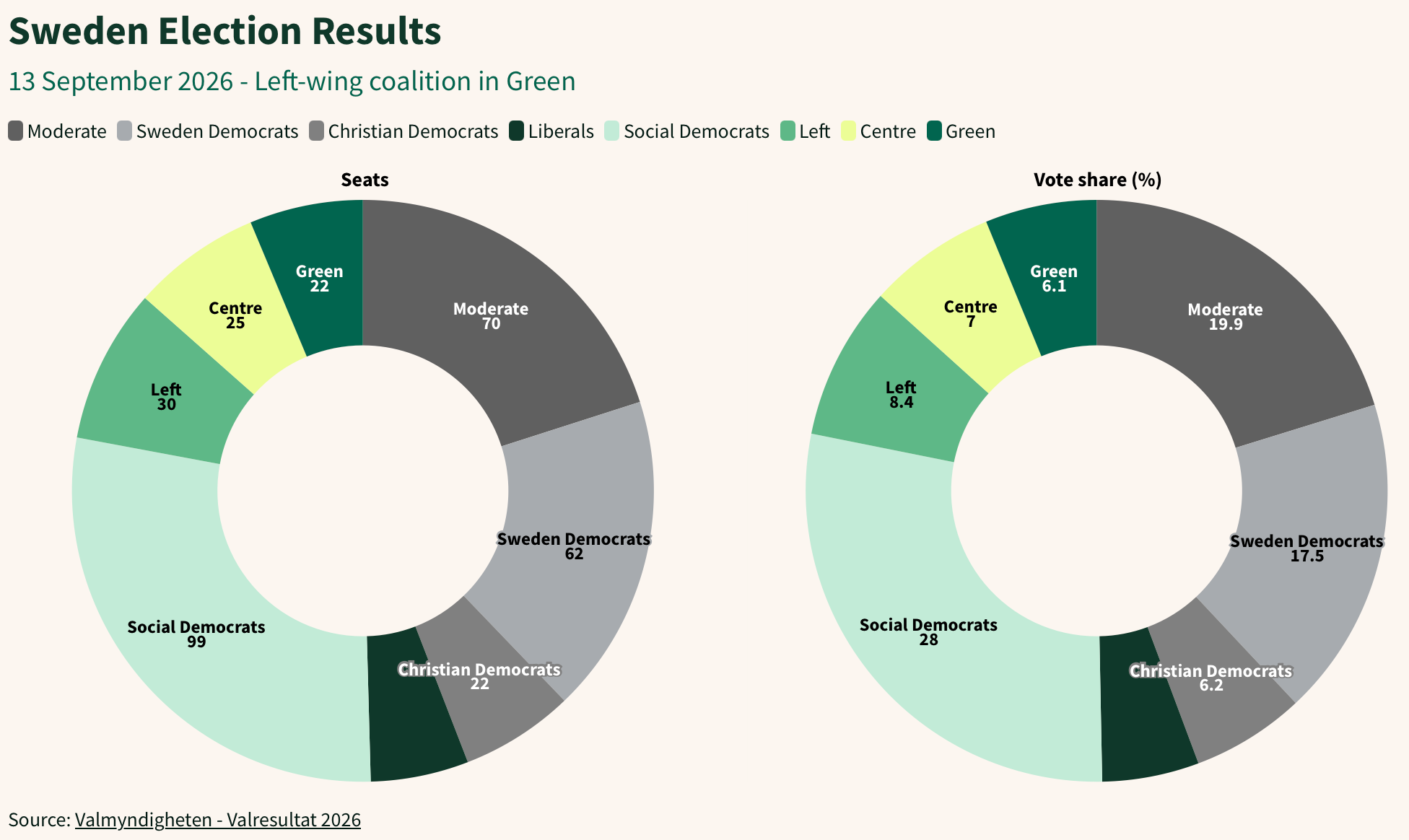
But crucially, no matter the inevitable squabbles created when forming a coalition, the progressive side won. As the above graphic shows, Sweden’s voting system of proportional representation works - each party’s vote share directly correlates with the number of seats that they end up winning.
Here in Britain, the system is not so simple. At the last election we saw the Labour government propelled towards a landslide government, winning 63% of the seats on less than 34% of the vote. The worry with our current electoral system, especially as public opinion is increasingly fragmented between several parties, is that a party like Reform UK could win a majority of seats in Parliament on less than 30% of the vote.
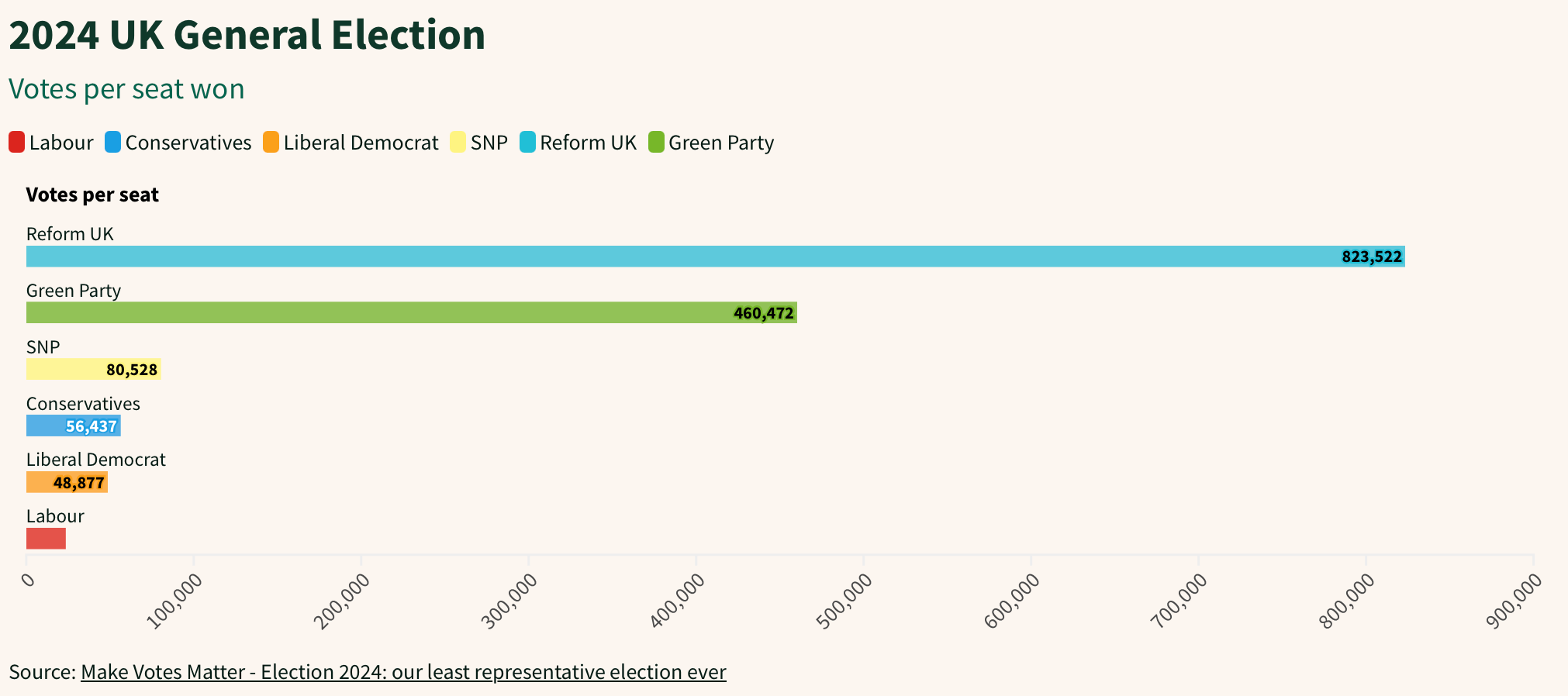
Wasted votes and tactical voting have long been a part of Britain’s colourful electoral history - but in an era where five political parties are polling at above 10%, and none are consistently above 25%, knowing who to tactically vote for is becoming harder than ever. That means progressive voters risk splitting the progressive vote and allowing a party like Reform UK or the Conservatives to win through the middle.
On a more fundamental level, the very need to vote tactically or to know your vote will be wasted is a failure of our electoral system. Each person’s vote should count - not simply de jure but de facto too. And voters should have confidence that voting for the party they want will have an effect on the number of seats they gain. Parties should also be rewarded not for concentration of support in individual constituencies, but support full stop.
All this matters for another reason too. While British politics remains fractured between the parties, two distinct blocs have emerged on the left and right. These voting blocs largely track with voters' opinions on the EU. Those who voted Remain in 2016 now tend to support either Labour, Liberal Democrats, or the Green Party (as well as the SNP and Plaid Cymru), whilst those who voted to Leave in 2016 now largely support either the Conservatives, Reform UK, or Restore Britain.
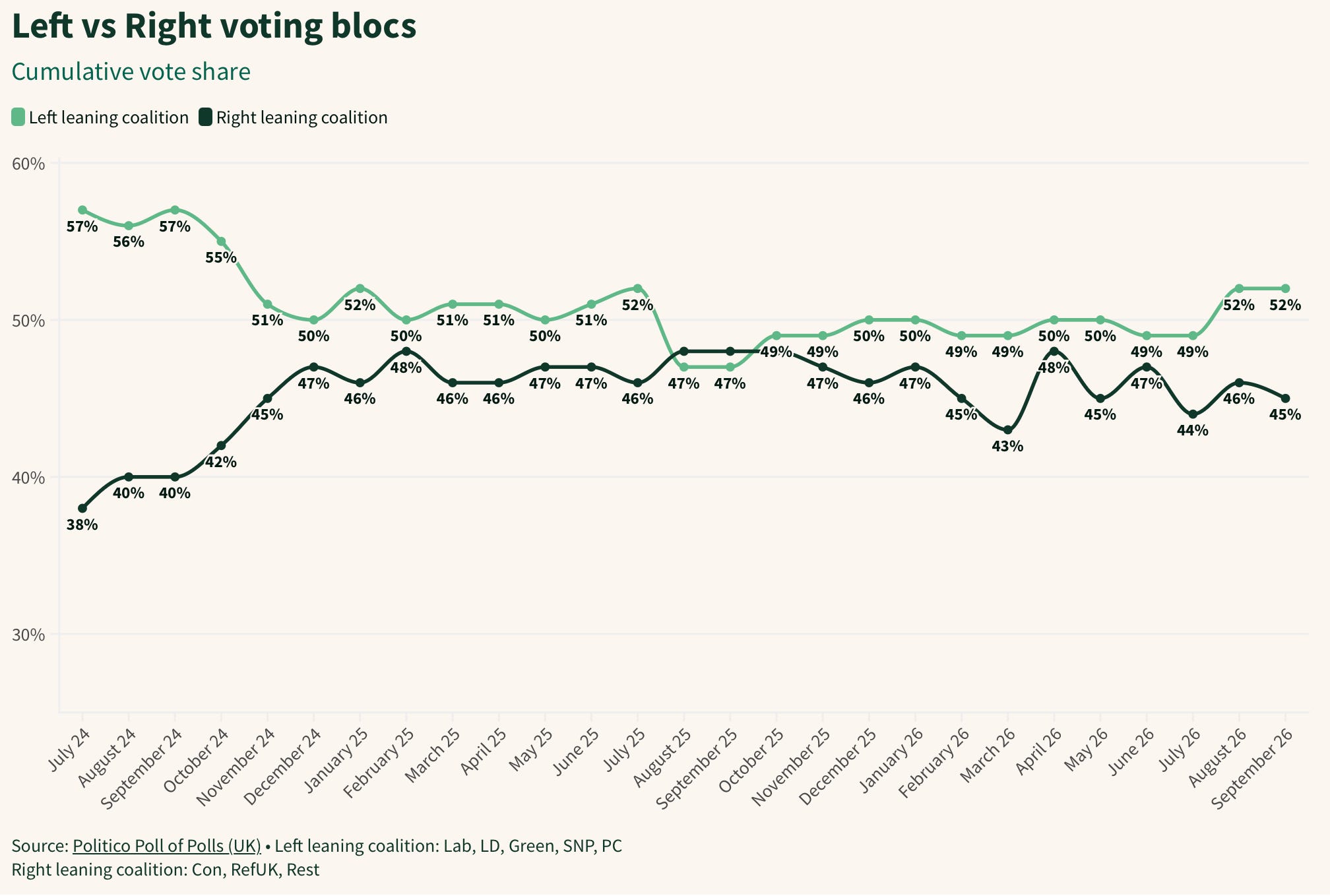
Ever since the 2024 general election, bar a two-month period in August and September 2025, the progressive coalition has consistently outperformed the right coalition across the polls. If Britain’s voting system were to become proportionally representative, then the progressive bloc would have the upper hand.
Importantly, one issue unites the left bloc while fracturing the right bloc: Europe. Best for Britain’s research shows that a substantial majority of Labour, Liberal Democrat, and Green voters support full EU membership (83%, 84%, and 82% respectively). On the other side, right-leaning voters are much more fractured on the topic. Just under two in five Conservative voters (39%) support EU membership, with even around one in five Reform UK voters (18%) feeling the same. And with 53% of the electorate supporting EU membership compared to just 32% opposing, Burnham should take this opportunity to unite the progressive vote at the next election by pursuing EU membership.
But he should not stop there; Sweden’s democracy shows that when every vote counts, the public are more likely to turn out. The high turnout in the Scandinavian country is no accident - a remarkable 84% this time round compared to our own pitiful 60% in 2024. Burnham should commit to electoral reform in his next manifesto - further consolidating the progressive voting bloc he will rely on to defeat Reform UK. The latest polling on the topic by YouGov shows that two-thirds of Green and Liberal Democrat voters and a majority of Labour voters are in favour of changing the voting system to proportional representation.
In more than one way, it is time for Burnham to take inspiration from Europe.
Joshua Edwicker is Senior Content Officer at Best for Britain.